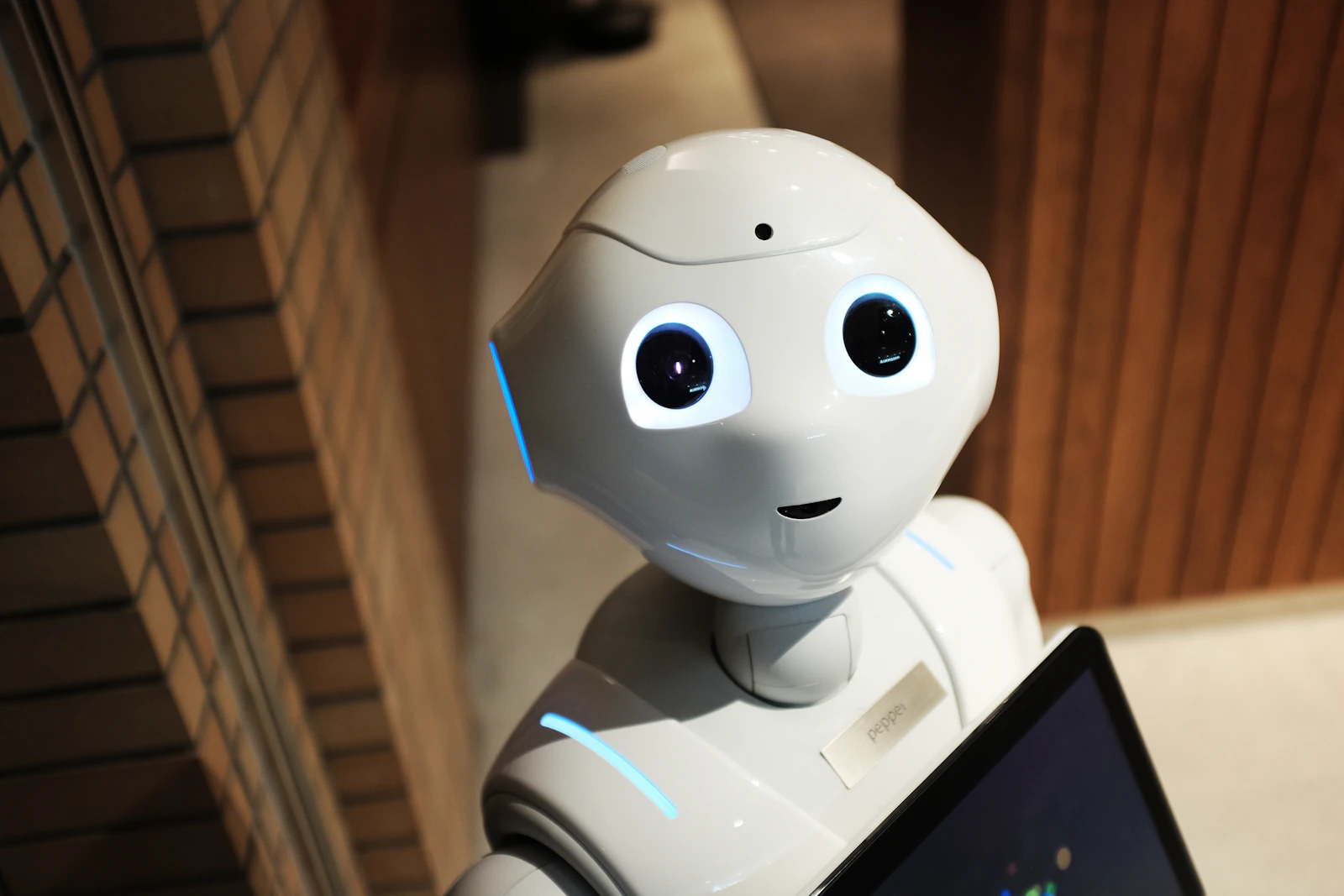
For decades, humanoid robots existed mostly in science fiction movies. Today, that idea is becoming increasingly realistic. Advances in artificial intelligence, computer vision, robotics, and machine learning are helping robots perform increasingly complex tasks in environments designed for humans.
In 2026, humanoid robots are attracting significant attention from technology companies, manufacturers, researchers, and investors. The long-term goal is ambitious: create robots capable of operating alongside people and performing useful physical tasks in the real world.
What Is a Humanoid Robot?
A humanoid robot is a machine designed with a human-like body structure. It typically has a head, torso, two arms, and two legs, although the exact design can vary.
The human-like shape has an important advantage. Many workplaces are already designed around human bodies. Doors, stairs, shelves, tools, vehicles, and manufacturing equipment are generally built for people.
A robot that can move and interact in a similar way may therefore be able to operate in existing environments without requiring every workplace to be completely redesigned.
Why AI Is Changing Humanoid Robots
Traditional robots are often programmed to perform specific repetitive movements. Humanoid robots are being developed with more advanced AI systems that can help them understand their surroundings and respond to changing situations.
AI can potentially help a robot:
- Recognize objects and people
- Understand spoken instructions
- Navigate complex environments
- Identify obstacles
- Plan sequences of actions
- Learn from previous experiences
- Interact with humans more naturally
This combination of physical robotics and artificial intelligence is one of the reasons humanoid robots have become such an important technology trend.
Where Could Humanoid Robots Be Used?
1. Manufacturing
Factories are one of the most obvious environments for humanoid robots. Robots could potentially handle repetitive material movement, inspection, packaging, and other physical tasks.
Unlike traditional industrial robots that often remain in fixed locations, mobile humanoid robots could potentially move between different workstations.
2. Warehouses
Modern warehouses require workers to move, sort, pick, carry, and organize products. Humanoid robots could potentially assist with some of these physically demanding activities.
Their ability to operate in spaces designed for humans could make them useful for existing warehouse infrastructure.
3. Healthcare
Healthcare is another area where humanoid robots could eventually provide assistance. Potential applications include transporting supplies, helping with routine logistics, and supporting staff with repetitive physical tasks.
However, healthcare environments require extremely high safety standards, meaning widespread adoption will likely require extensive testing and regulation.
4. Hospitality
Hotels, restaurants, and other hospitality businesses could use humanoid robots for certain service and logistics tasks.
Examples might include transporting items, cleaning, delivering supplies, or assisting guests with simple requests.
5. Dangerous Environments
Humanoid robots could eventually perform tasks in environments that are dangerous for humans.
Potential examples include disaster response, hazardous industrial facilities, extreme temperatures, or locations where humans would face significant safety risks.
How Do Humanoid Robots See the World?
Humanoid robots typically rely on multiple sensors rather than ordinary human vision alone.
Cameras can provide visual information, while other sensors can help estimate distance, movement, position, and physical contact.
AI software can then process this information and create an understanding of the robot's surroundings.
This process is essential because real-world environments are unpredictable. Objects move, people change direction, lighting changes, and unexpected obstacles appear.
Why Walking Is So Difficult for Robots
Walking may look simple to humans, but it is an extremely complicated robotics problem.
A humanoid robot must continuously maintain balance while moving its legs, adjusting its body position, responding to the ground, and avoiding obstacles.
Even a small unexpected change can affect stability.
Advances in sensors, actuators, control algorithms, and AI are helping researchers develop increasingly capable robotic movement systems.
Humanoid Robots and the Future of Jobs
One of the biggest questions surrounding humanoid robots is their impact on employment.
If robots become capable of performing physical tasks currently handled by humans, some jobs could change significantly.
However, new technology can also create new roles. Companies may need people who design, maintain, supervise, train, repair, secure, and manage robotic systems.
The impact is therefore unlikely to be simply "robots replace humans." The more realistic scenario may involve humans and robots working together while the nature of many jobs changes.
Humanoid Robots vs Traditional Robots
| Traditional Industrial Robots | Humanoid Robots |
|---|---|
| Often fixed in one location | Designed for mobile operation |
| Highly specialized tasks | Designed for broader physical tasks |
| Controlled environments | Potentially designed for human environments |
| Limited interaction | Greater emphasis on human interaction |
What Makes Humanoid Robots So Expensive?
Building a humanoid robot requires many sophisticated components. Motors, batteries, sensors, cameras, computing hardware, mechanical systems, and AI software all need to work together.
The robot also needs to be reliable enough to operate safely around people.
Reducing these costs is one of the major challenges for companies developing humanoid robots.
Can Humanoid Robots Think Like Humans?
Not exactly.
Modern AI can perform impressive reasoning and language tasks, but that does not mean a robot has human consciousness or human-level understanding of the physical world.
A humanoid robot may be able to recognize an object, understand an instruction, and perform a sequence of actions without possessing human-like awareness.
The combination of AI and robotics should therefore be viewed as advanced machine intelligence rather than artificial human consciousness.
The Importance of Robot Safety
As humanoid robots become more powerful, safety becomes increasingly important.
A large machine capable of moving quickly and carrying heavy objects must be designed to operate safely around humans.
Developers need to consider physical safety, software reliability, cybersecurity, emergency shutdown mechanisms, and appropriate limitations on autonomous behavior.
Could Humanoid Robots Become Common in Homes?
Home robots are one of the most exciting possibilities, but also one of the most difficult.
Factories and warehouses are relatively structured environments. Homes are much more unpredictable.
A household robot would need to deal with stairs, pets, children, furniture, fragile objects, different lighting conditions, and constantly changing environments.
For that reason, widespread household adoption may take longer than deployment in industrial environments.
The Future of Humanoid Robotics
The development of humanoid robots is moving toward a combination of increasingly capable AI and increasingly sophisticated physical machines.
Future robots may be able to learn new tasks more quickly, understand natural language instructions, navigate unfamiliar spaces, and collaborate with humans.
If these technologies continue to improve while costs decline, humanoid robots could eventually become an important part of logistics, manufacturing, healthcare, construction, and other industries.
Final Thoughts
Humanoid robots are no longer just science fiction. Advances in artificial intelligence and robotics are bringing increasingly capable machines into real-world testing and industrial environments.
The biggest challenge is not simply making robots move like humans. It is creating machines that can operate safely, reliably, affordably, and intelligently in unpredictable real-world environments.
If those challenges can be solved, humanoid robots could become one of the most transformative technologies of the coming decade.
Frequently Asked Questions
What is a humanoid robot?
A humanoid robot is a robot designed with a human-like body structure, usually including two arms and two legs, so it can potentially operate in environments built for humans.
Are humanoid robots available in 2026?
Yes. Humanoid robots are being developed and tested by multiple technology and robotics companies, particularly for industrial and research applications.
Will humanoid robots replace human workers?
Some physical tasks may become increasingly automated, but humanoid robots are also likely to create new roles involving robotics development, maintenance, supervision, and system management.
Can humanoid robots work with humans?
Yes. Collaborative operation with humans is one of the major goals of modern humanoid robotics, although safety and reliability remain important challenges.
Will humanoid robots be used at home?
Potentially, but home environments are significantly more unpredictable than factories and warehouses. More advances in safety, reliability, AI, and cost reduction are likely to be needed before widespread household adoption.
Related keywords: humanoid robots 2026, AI robots, future of robotics, humanoid robot technology, artificial intelligence robots, robots and jobs, future technology, robotics trends 2026, AI-powered robots.
This article is for informational purposes and discusses emerging robotics technology and potential future applications.
```
No comments: